Dental Bonding — quick, natural repairs in one visit
Bonding is a conservative, same-day way to fix small chips, smooth rough edges, close tiny gaps, and brighten worn or spotted edges—without removing healthy enamel. It’s one of the easiest upgrades for a confident smile.
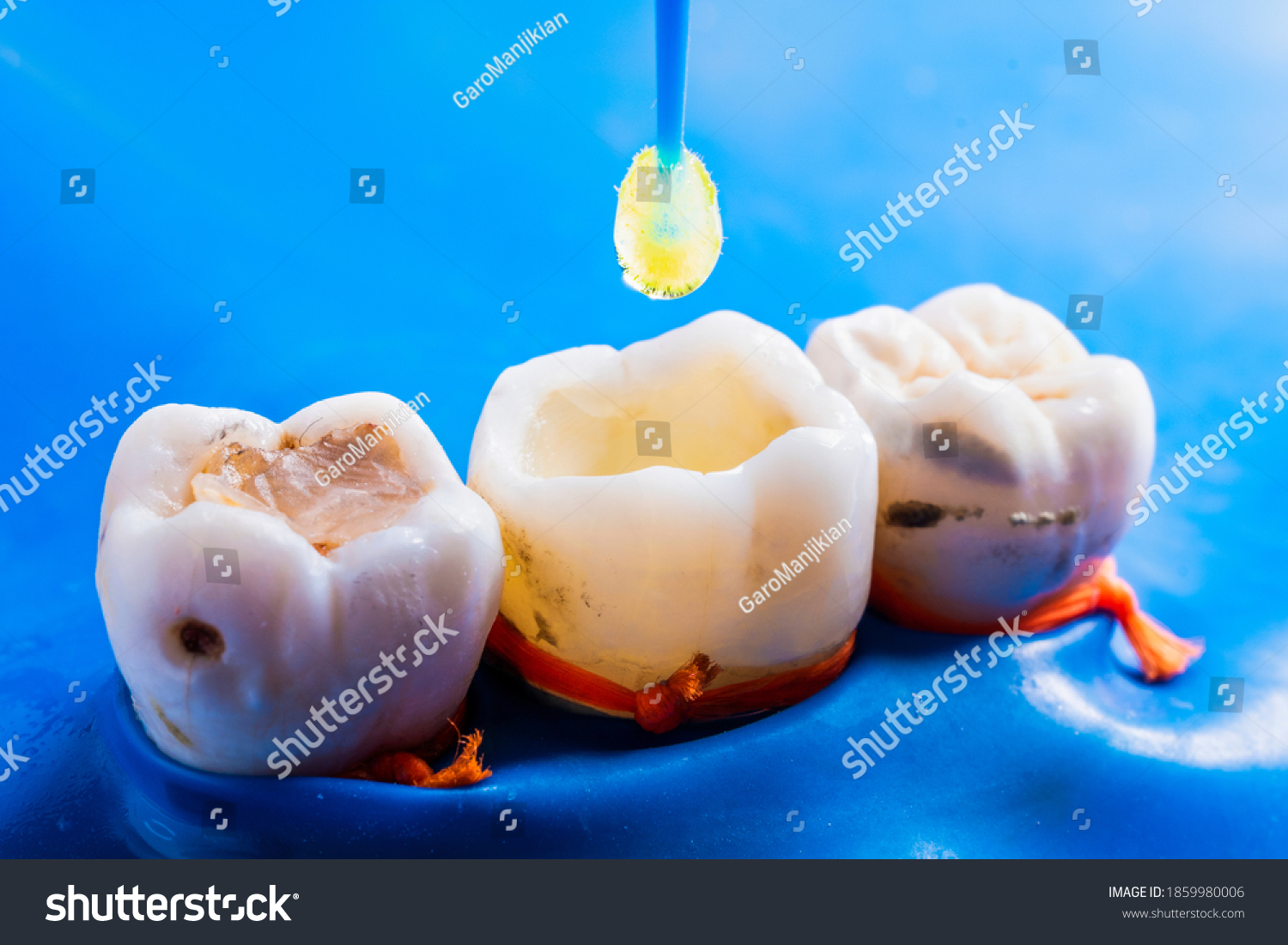
Image placeholder • Replace with /images/treatments/bonding-hero.webp (≥1600×900).
What bonding can fix
- Chips and small fractures on front teeth
- Small gaps (diastemas) and uneven edges
- Worn or translucent edges that need support
- Single-tooth discoloration that whitening won’t lift
- Subtle reshaping to improve symmetry
Why people choose bonding
- Conservative: often no drilling and no anesthesia
- Fast: one visit for most cases
- Cost-effective compared with porcelain options
- Reversible and adjustable over time
How the visit works
01 • Shade match
We select a composite shade that blends with your enamel in natural light.
02 • Layer & shape
Ultra-fine layers are placed, sculpted, and light-cured for strength.
03 • Polish
We finish with a multi-step polish so it looks and feels like glassy enamel.
Longevity & care
Expect 5–8 years for most cases. Avoid nail-biting, opening packages with your teeth, and chewing ice. Nightguard protection is smart for grinders. Professional cleanings help preserve the gloss and color.
Insurance & payment
- PPO plans: Often covered as a basic service when restoring chips/decay (deductible & % apply).
- Cosmetic only: Insurers usually do not cover purely elective reshaping or color masking.
- No insurance? Ask about our Membership savings and monthly financing options.
When to consider alternatives
Porcelain veneers
Best for bigger color changes, longer-term durability, or major reshaping across multiple teeth.
Crowns
Ideal when there’s extensive cracking, large fillings, or bite protection needed.
Whitening + bonding
Whiten first, then match bonding to your brighter shade for a seamless look.
Clear aligners
For rotated/crowded teeth, alignment first can minimize or eliminate the need for bonding.
Dental Implant FAQs
What is dental bonding?
A tooth-colored composite resin is shaped and bonded to your tooth to repair chips, close small gaps, smooth edges, or improve color and shape—usually in one visit with no lab work.
How long does bonding last?
With good home care and regular checkups, bonding often lasts 5–10 years. Heavily used edges (like on front teeth for grinders) may wear sooner and can be polished or refreshed.
Does bonding look natural?
Yes. We custom-match shade and translucency, then shape and polish the resin to blend with your surrounding enamel for a seamless result.
Is dental bonding painful?
Most cases require little to no numbing because bonding is minimally invasive and preserves your natural enamel. You leave the same day with your result.
Bonding vs. veneers vs. crowns—what’s the difference?
Bonding is the most conservative and quickest option for small defects. Porcelain veneers are stronger and more stain-resistant for larger smile changes. Crowns cover the entire tooth when strength or decay dictates.
Will the bonded area stain?
Composite resin can pick up surface stain over time (coffee, tea, red wine). Regular cleanings and polishing help. Deep stain may require a quick refresh or replacement.
Can you fix a chipped front tooth the same day?
Often yes. Small to moderate chips are frequently repaired in a single appointment. Larger fractures may benefit from a veneer or crown—we’ll guide you.
What about sensitivity after bonding?
Mild, short-term sensitivity is possible, especially to cold. It typically settles within days. Let us know if anything lingers so we can adjust your bite or polish.
How much does bonding cost and does insurance help?
Fees vary by tooth and size. PPO plans sometimes cover bonding when it’s restorative (repairing a chip/decay) and less often for purely cosmetic goals. We’ll verify benefits and provide a written estimate.
How do I take care of bonded teeth?
Brush and floss daily, avoid biting hard objects (ice, pens), wear a nightguard if you clench or grind, and keep up with professional cleanings and polishes.
Educational content only; not medical advice. Suitability and outcomes vary by patient. Recommendations are personalized after an exam and imaging.