Dental Veneers — a brighter, balanced smile with minimal prep
Veneers transform the color, shape, and symmetry of your front teeth while keeping as much healthy enamel as possible. Whether you want to fix a single standout tooth or redesign your entire smile, we’ll help you choose between porcelain veneers and composite veneers for the most natural, long-lasting result.
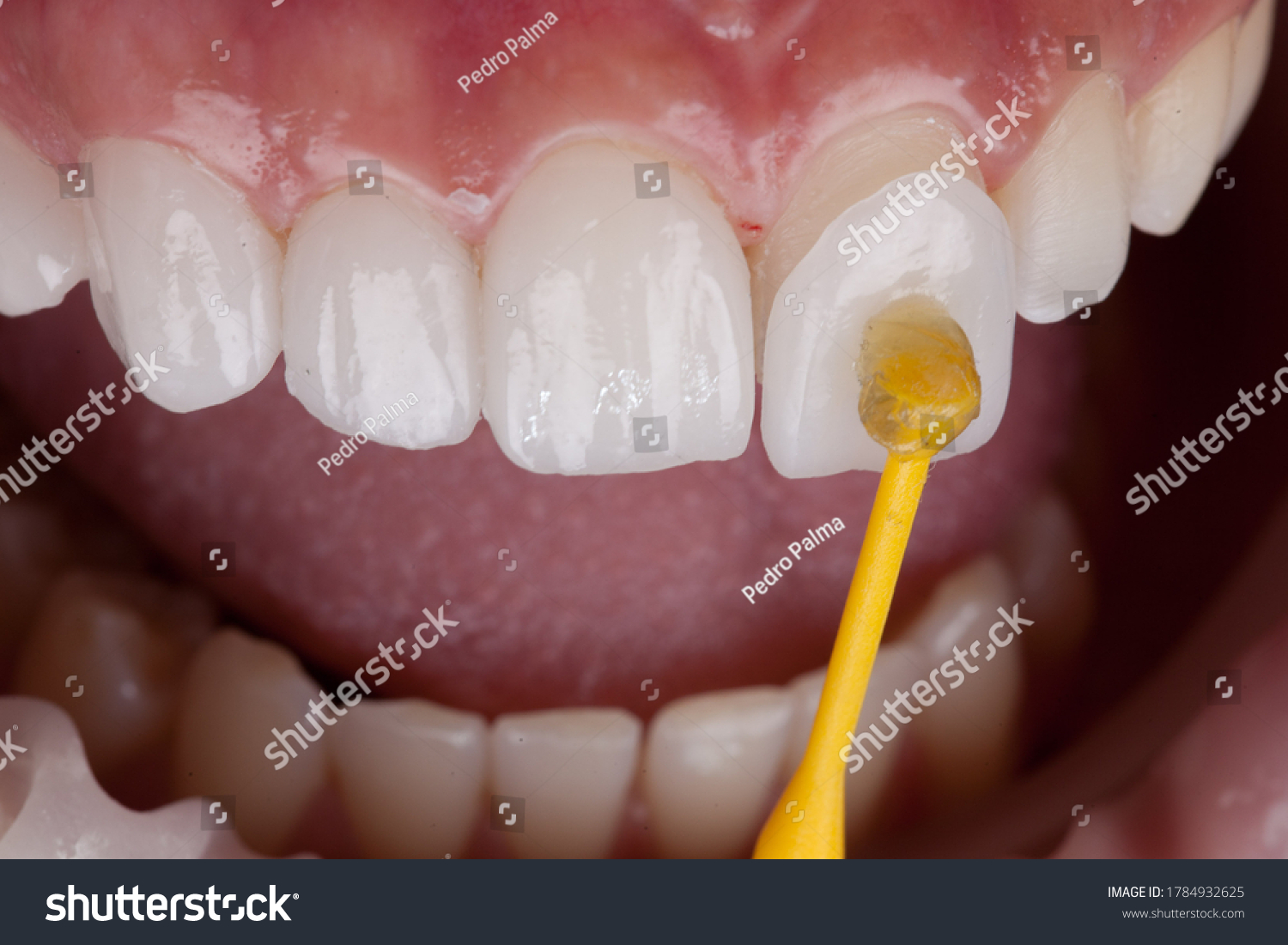
Image placeholder • Replace with /images/treatments/veneers-hero.webp (≥1600×900).
What veneers can fix
- Permanent discoloration and dark tetracycline stains
- Chips, worn edges, and uneven length
- Small gaps and minor rotations
- Asymmetry in shape, width, or contours
Why patients love veneers
- Minimal enamel removal with maximal impact
- Highly natural look—custom shade, translucency, and texture
- Durable and stain-resistant (especially porcelain)
- Predictable smile design with previews and temporaries
Porcelain Veneers
Crafted by a dental lab for ideal translucency and strength. Best for larger color changes, edge lengthening, and long-term durability. Typically a two-visit process with refined temporaries in between.
Composite Veneers
Artistically layered and sculpted chairside in a single visit. Conservative and cost-effective; great for subtle shape changes. More maintenance over time than porcelain.
The veneer process — step by step
01 • Design & preview
Photos, shade analysis, and a digital smile preview/mock-up.
02 • Minimal prep
Conservative enamel shaping (or no-prep when suitable) and impressions.
03 • Try-in & bond
Temporary phase for feedback; final veneers bonded and polished.
Longevity & care
Expect 10–15+ years for porcelain with routine cleanings and mindful habits. Avoid using teeth as tools, limit very hard foods, and consider a nightguard if you clench or grind.
Insurance & payment
- PPO plans: Cosmetic veneers are usually not covered.
- If a tooth needs full structural coverage, a crown may be eligible for benefits.
- No insurance? Ask about Membership savings and monthly financing.
Alternatives to consider
Dental bonding
Ideal for small chips and subtle reshaping. More conservative and lower cost; not as durable as porcelain.
Professional whitening
Brightens overall shade first; we can then match bonding or veneers to your new color.
Clear aligners
Straighten rotations and crowding before cosmetic work for the most conservative result.
Crowns
Best when a tooth is cracked, heavily filled, or needs full-coverage strength in the bite.
Dental Veneer FAQs
What are dental veneers?
Ultra-thin, custom shells bonded to the front of teeth to improve color, shape, size, or minor alignment for a brighter, more even smile.
Porcelain vs. composite—what’s the difference?
Porcelain is crafted in a lab for superior translucency, strength, and stain resistance. Composite is sculpted chairside in one visit and is more budget-friendly but may need earlier maintenance.
Do veneers look natural?
Yes. We design your smile to match your face and lips, then select shade and translucency so the result blends with neighboring teeth.
Are veneers permanent?
Porcelain veneers typically require removing a thin layer of enamel, making the change not reversible. Minimal-prep options may reduce enamel removal depending on your bite and alignment.
How long do veneers last?
With great home care and regular checkups, porcelain veneers often last 10–15+ years. Composite veneers generally have a shorter service life and may need periodic polishing or refresh.
Will I wear temporaries?
For porcelain cases, yes—provisional veneers let you test the planned shape and length while the lab fabricates your final restorations.
Will my teeth be sensitive after treatment?
Mild, short-term sensitivity is possible and usually settles within days. Tell us if anything lingers so we can adjust your bite or provide desensitizers.
Can I whiten my teeth with veneers?
Whiten first, then color-match the veneers to your new shade. Veneers themselves won’t whiten with gels.
Do veneers chip or stain?
Porcelain is highly stain-resistant and strong; composite can pick up stain sooner. Avoid biting hard objects and consider a nightguard if you clench or grind.
How much do veneers cost and does insurance help?
Fees vary by material and number of teeth. PPO plans typically consider veneers cosmetic and don’t cover them; we’ll provide a written estimate and discuss financing.
What are the alternatives to veneers?
Options include whitening, cosmetic bonding, limited orthodontics (e.g., aligners), or crowns for teeth with large restorations or cracks. We’ll help you compare pros and cons.
Educational content only; not medical advice. Suitability and outcomes vary by patient. Recommendations are personalized after an exam and imaging.