
Root Canal Therapy — stop the pain, keep your tooth
When the nerve inside a tooth becomes infected or inflamed, a root canal can remove the source of pain and save your natural tooth. Our approach is calm, precise, and designed to get you comfortable fast—with clear steps for what comes next.
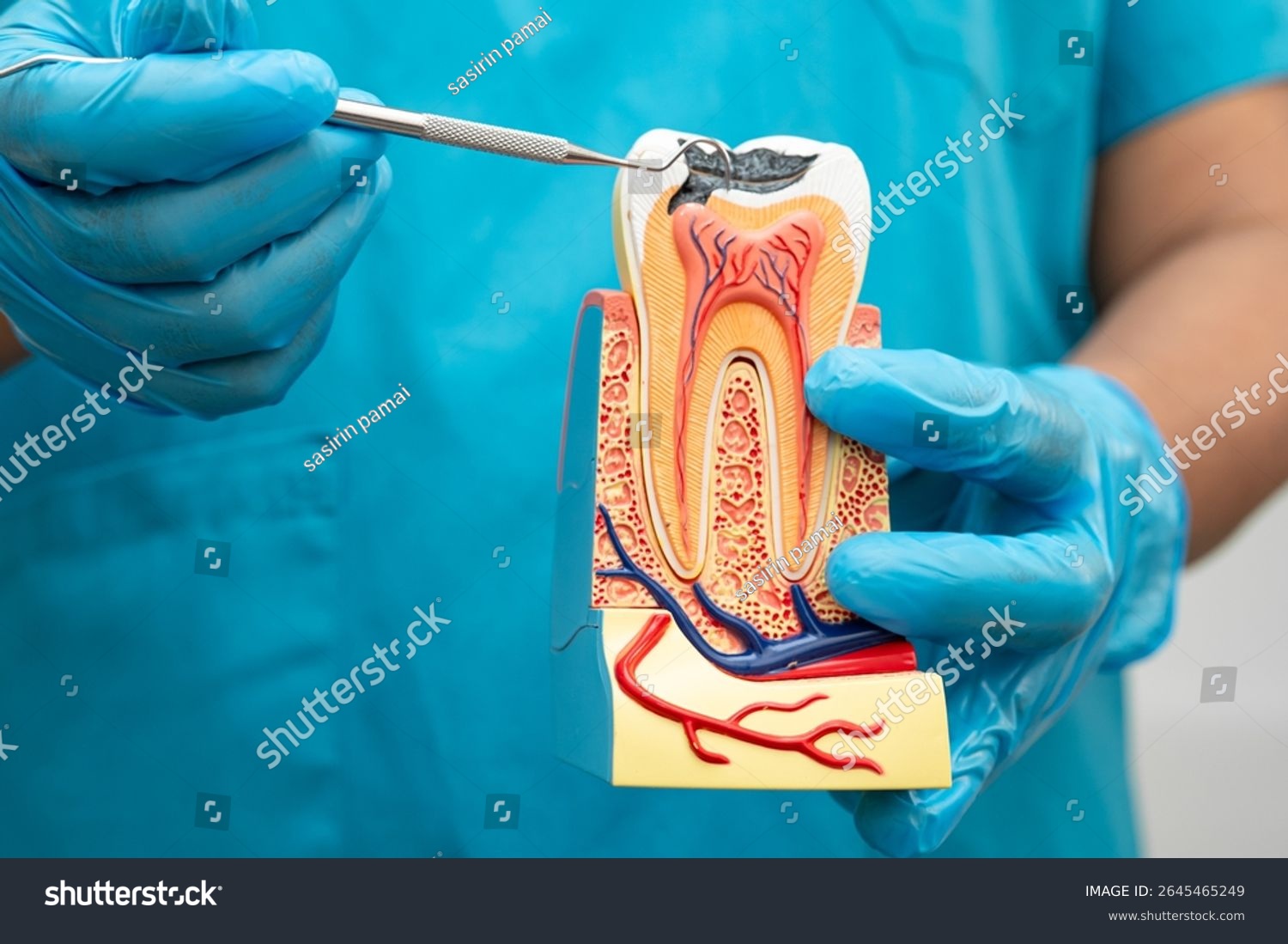
What is a root canal—really?
Inside every tooth is a small space with blood vessels and nerves. Deep decay, cracks, or trauma can irritate this tissue and let bacteria in. A root canal cleans that space, seals it, and preserves the outside of the tooth so you can keep chewing comfortably.
Signs you may need one
- Pain when chewing or tapping the tooth
- Lingering hot/cold sensitivity
- Swelling or a “pimple” on the gums
- Deep cavity or darkening of the tooth
Why save the tooth?
Keeping the root in place supports your jawbone and bite. It’s usually simpler and more cost-effective than extracting and replacing the tooth.
Comfort & safety come first
- Profound local anesthesia to keep you comfortable
- Modern rotary instruments and disinfectants
- Rubber dam isolation for a clean, safe field
- Digital X-rays with low radiation
How treatment works
1) Diagnose & numb
We test the tooth, review your X-ray, and get you fully numb before we start.
2) Clean & disinfect
Tiny instruments remove the inflamed tissue; disinfectant rinses reduce bacteria.
3) Seal & protect
We seal the canals and place a temporary. A final filling or crown restores strength.
Most back teeth need a dental crown afterward to prevent fractures.
After-care at a glance
- Chew on the other side until we place the final restoration
- Expect mild tenderness for 24–48 hours—usually manageable with OTC pain relief
- Call us if pain worsens, swelling increases, or your bite feels “high”
Typical timeline
Insurance & costs
PPO plans typically cover root canal therapy as a Basic or Major service (often 50–80% after deductible). The crown, when needed, is billed separately and may have different coverage. Medicaid coverage varies by state and diagnosis. We’ll verify your benefits and provide a written estimate before treatment.
We make it simple
- Same-day relief appointments when possible
- Clear, written estimates (no surprises)
- Help with insurance claims and benefits checks
- Flexible payment options when you need them
Root Canal — FAQs
Do root canals hurt?
You’ll be thoroughly numb. You may feel pressure or vibration, but not sharp pain. Mild soreness after is common and manageable with OTC medication.
How long does a root canal take?
Front teeth often take about 60–90 minutes. Molars can take 90–120 minutes. Some complex cases are completed over two visits.
Will I need a crown afterward?
Back teeth (molars and many premolars) usually need a crown to prevent fractures. Some front teeth can be restored with a strong filling or crown based on remaining tooth structure.
What are signs I might need a root canal?
Lingering sensitivity to cold/heat, spontaneous throbbing, pain to biting, swelling or a pimple on the gum, or darkening of the tooth. We confirm with testing and imaging.
Is extraction better than a root canal?
Saving your natural tooth keeps your bite stable and often avoids more treatment later. Extraction is an option, but usually requires replacement (implant, bridge, or partial).
What is the success rate?
Root canals have a high success rate when followed by proper sealing and a protective restoration. Good home care—and a nightguard if you grind—support longevity.
What happens during the procedure?
After numbing and rubber-dam isolation, we clean and disinfect the canals, seal them with gutta-percha, and place a temporary or build-up. Then we plan the final restoration.
Do antibiotics fix an infected tooth?
Antibiotics can calm surrounding tissues, but they don’t cure infected pulp. The source must be cleaned and sealed with root canal therapy.
Can I go back to work the same day?
Most patients do. Expect mild tenderness for a day or two. Chew on the other side until the final filling or crown is placed.
What if the tooth is cracked?
Small cracks can be treatable; vertical root fractures have a poorer prognosis. We evaluate with clinical tests and imaging (including CBCT when appropriate).
What if symptoms return later?
Retreatment or a minor surgical option (apicoectomy) may resolve persistent or recurrent infection. We’ll review pros/cons and success expectations.
How much does it cost, and will insurance help?
Fees vary by tooth (anterior/premolar/molar) and complexity. PPO plans often cover a portion after deductible. We’ll verify benefits and provide a written estimate.
Educational content only; your dentist will recommend care based on your exam and medical history.