
Gum Therapy (Periodontal Care)
Healthy gums are the foundation of a confident smile. We use a calm, step-by-step approach to stop bleeding, reduce pocket depths, and protect your teeth—without rushing and with your comfort first.
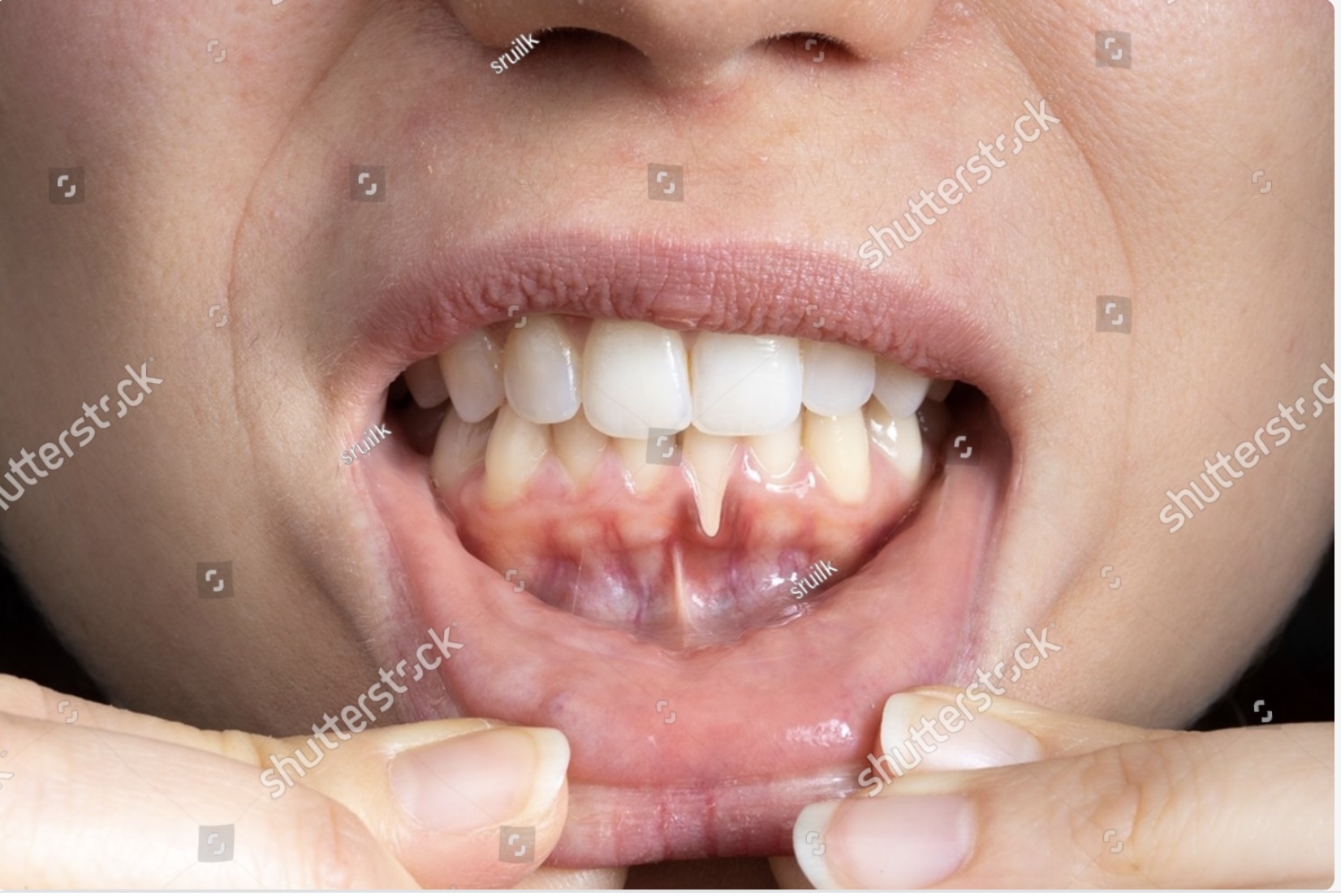
Common signs
- Gums that bleed when brushing or flossing
- Bad breath that doesn’t go away
- Gums pulling back (recession)
- Loose or shifting teeth
- Deep “pockets” around teeth
Why it matters
Periodontal disease is a chronic infection of the gums and bone that support your teeth. Treating it early helps prevent tooth loss and supports better oral comfort, fresher breath, and long-term stability.
Our promise
We keep visits transparent and unhurried, explain every step, and personalize care. We don’t just treat—we heal.
What is gum therapy?
Scaling & Root Planing (“deep cleaning”)
We gently remove hardened tartar and bacteria below the gums and smooth the root surface, making it harder for plaque to re-attach and allowing your gums to heal. We keep you comfortable with local anesthetic and soothing techniques.
- Often completed by quadrant or half-mouth
- Ultrasonic and hand instruments for precision
- Personalized home-care coaching
Adjuncts & follow-ups
- Localized antimicrobial therapy (as appropriate)
- Re-evaluation at ~4–6 weeks to re-measure pockets
- Periodontal maintenance every 3–4 months to keep results stable
If pockets remain deep in certain areas after healing, we’ll discuss additional options or referral to a periodontist.
What to expect
-
1) Diagnosis
We chart pocket depths, review X-rays, and show photos so you can see what we see.
-
2) Therapy visit(s)
Comfortable, thorough cleaning below the gums with gentle technique.
-
3) Re-check
We re-measure in 4–6 weeks and fine-tune any areas still healing.
-
4) Maintain
3–4 month periodontal maintenance to keep bacteria controlled long-term.
Insurance, Medicaid & options
- PPO insurance: Periodontal treatment is commonly covered at 50–80% after deductible (coverage varies by plan).
- Medicaid: Coverage depends on state policy and medical necessity; we’ll verify eligibility and any prior authorization.
- No insurance? Ask about our Membership savings and monthly payments with Cherry financing.
Healing & home care
Right after treatment
- Mild tenderness is normal for 24–48 hours
- Warm saltwater rinses soothe the area
- Brush gently; keep flossing daily
Long-term tips
- Electric brush & interdental cleaners
- Antimicrobial or fluoride rinses as directed
- Stay on your 3–4 month maintenance schedule
Gum therapy — FAQs
What is gum therapy?
A focused cleaning that removes bacteria and tartar below the gumline (scaling and root planing) to reduce inflammation, bleeding, and pocket depths.
How do I know if I need a deep cleaning?
We look for bleeding, swollen gums, tartar under the gums, bone changes on X-rays, and pocket depths typically 4mm or more. Your exam will make this clear.
Does it hurt?
We numb the areas thoroughly. You may feel pressure or vibration, and mild soreness after that usually responds to over-the-counter pain relief.
How many visits will I need?
Often 1–2 visits, treated by halves or quadrants. Each appointment typically takes 60–90 minutes depending on your needs.
Will my gums grow back?
Inflamed gums can tighten and heal, reducing bleeding and pockets. Lost attachment or bone doesn’t ‘grow back’ on its own, but we can stabilize and protect what you have.
What is periodontal maintenance (D4910)?
A specialized cleaning every 3–4 months after therapy to keep bacteria in check and maintain gum health. It’s different from a routine cleaning (D1110).
Can I return to routine cleanings?
Sometimes, when pockets are stable and shallow. We’ll re-evaluate and recommend the right schedule for long-term health.
Do you use localized antibiotics?
When helpful, we can place medicine in specific pockets (e.g., minocycline) to reduce bacteria. It’s not required for everyone.
Is it covered by insurance?
Many PPO plans cover scaling & root planing (D4341/D4342) as Basic care (often 50–80% after deductible) and cover periodontal maintenance with frequency limits. We’ll verify and provide an estimate.
What should I do after treatment?
Expect temporary numbness and mild tenderness. Eat soft foods, brush gently, clean between teeth daily, and use any recommended rinse. Avoid smoking for 24–48 hours.
How much does it cost?
Fees vary by the number of sites and severity. You’ll receive a written estimate, and we offer flexible payment options and financing.
Will a water flosser help?
Yes—used with brushing and interdental cleaning, it can reduce bleeding and keep pockets cleaner between visits.
Disclaimer: This page is for education and does not replace a diagnosis. Recommendations depend on pocket depths, bone levels, medical history, and your goals. Coverage varies by insurer and state program; we verify benefits for you.