Dental Crowns
A crown is a custom “cap” that reinforces a weak or damaged tooth and restores natural shape, color, and function. We use a fully digital process for accurate fits and comfortable bites—often with fewer adjustment minutes.
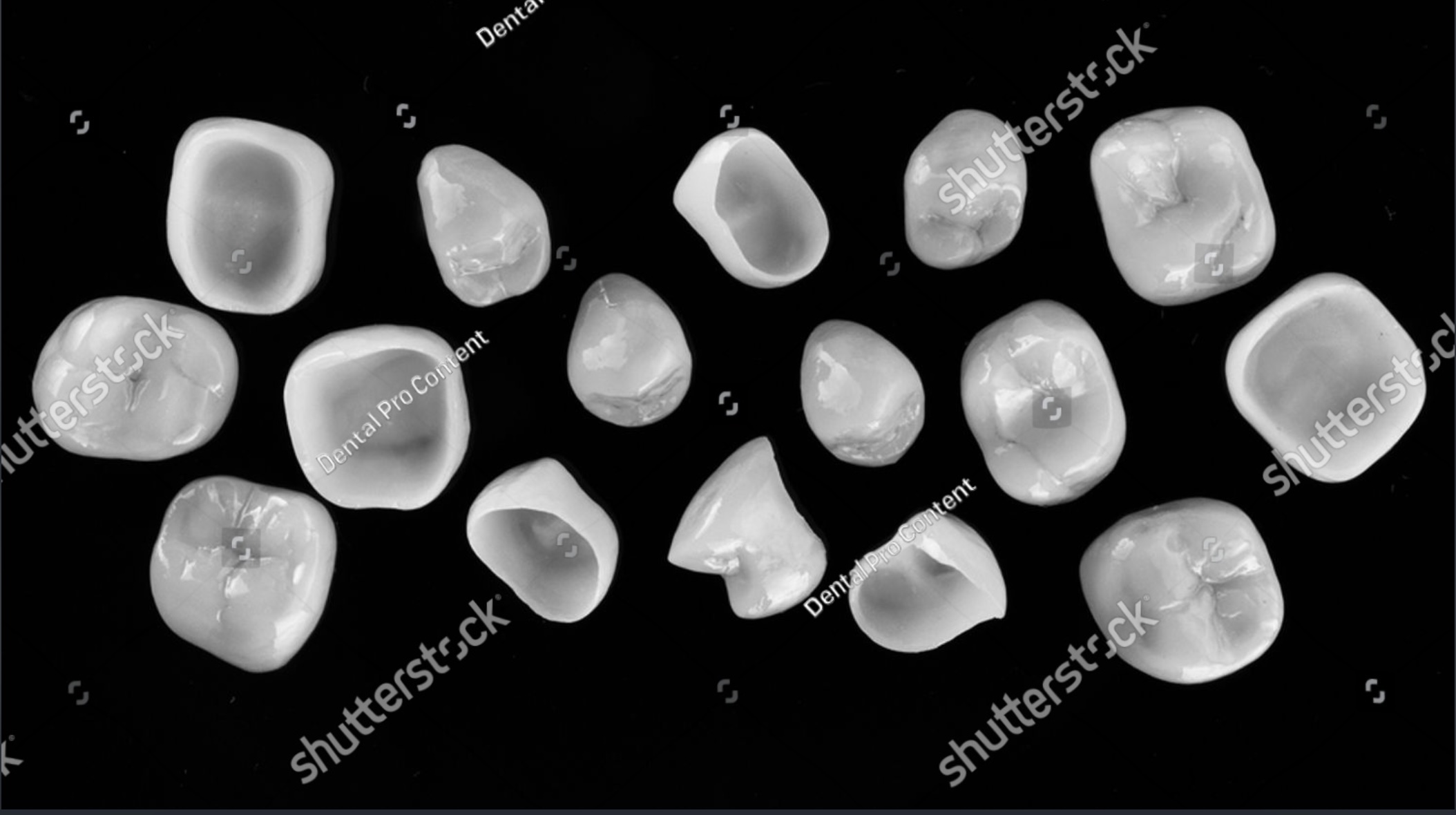
What is a crown?
A crown is a strong, custom cover for a tooth that’s cracked, heavily filled, worn, or root-canal treated. It protects the remaining tooth and restores bite, comfort, and appearance.
Why would I need one?
- Large fracture or decay undermines strength
- Tooth had a root canal and needs reinforcement
- Severe wear, erosion, or broken cusp
- Cosmetic improvement of shape and color
When is it recommended?
When a filling alone won’t safely hold the tooth together or the bite/stress risk is high. We’ll show you photos/X-rays and explain options so you can decide confidently.
Digital crowns with Dandy: comfort, speed, and consistency
We take a comfortable digital scan (no goopy trays) and collaborate with Dandy, a U.S. digital lab, to design and mill your crown. The result: a crown that aims to seat quickly with minimal adjustment.
Fewer remakes & shorter adjustments
Dandy’s AI prep analysis, 3D design preview, and computer-vision QC help catch issues before milling—targeting fewer remakes and quicker chair-time adjustments. Learn more.
Fast turnaround
Digital workflow streamlines design-to-delivery, helping us schedule your seat visit sooner. See crown & bridge.
Natural esthetics & strong materials
Options include zirconia, e.max (lithium disilicate), PFZ/PFM, and more—selected to match strength, translucency, and your smile goals. Materials overview.
Comfortable digital scans
No impression trays—our intraoral scanner means fewer gag reflex triggers and a faster, cleaner appointment. About Dandy scanning.
Preview before we mill
We can review crown contours, occlusion, contacts, and margins on-screen so the final feels right the first time.
Quality you can count on
Consistent U.S. production and robust QC aim for a precise fit and comfortable bite from day one.
Dandy is a third-party lab partner. Turnaround times, materials, and warranties are provided by Dandy and may change—see their site for current details. Dandy Crown & Bridge.
What your visit looks like
-
1) Comfort + scan
We keep you comfortable, numb as needed, then take a quick digital scan—no goop.
-
2) Design + temporary
We place a natural-looking temporary and begin the lab design process.
-
3) Seat + fine-tune
Your crown is tried in, adjusted as needed, and permanently bonded.
Insurance, cost & options
- PPO insurance: Crowns are usually a “major” benefit; typical coverage is 40–60% after deductible, but plans vary.
- Medicaid: Coverage differs by state and clinical need. We’ll verify eligibility and any prior authorization requirements.
- No insurance? Ask about our Membership savings and monthly payments with Cherry financing.
Dental Implant FAQs
When is a crown needed?
Crowns protect teeth with large fractures, deep decay, root-canal treatment, or heavy wear—situations where a filling would not be strong enough.
What materials do you use?
We use high-strength ceramics like zirconia and esthetic layered ceramics depending on the tooth and bite.
How long will it last?
With good home care and regular visits, many crowns last well over a decade. Nightguards can further protect teeth from clenching or grinding.
Does insurance cover crowns?
Most PPOs cover crowns as a major service (often 50% after deductible). We verify your benefits and provide a clear estimate before treatment.
Is there a warranty?
Lab warranties are provided by the manufacturer (e.g., Dandy) and can change. We’ll review current terms at your visit.
Educational content only; not medical advice. Suitability and outcomes vary by patient. Recommendations are personalized after an exam and imaging.
Disclaimer: Information on materials, turnaround, and lab features is provided for patient education and may change without notice. Final recommendations depend on clinical findings, bite forces, esthetic goals, and insurance benefits.